

Grades E–D
Starting from an E or D?
This is where the plan matters most. We secure programming fundamentals and core theory, close the biggest gaps and build steadily towards a secure C.
Your child doesn't need another tutor working through random topics. They need a clear, personalised route to their target A-Level Computer Science grade, built around their level, gaps and exam board.
A-Level Computer Science
It's the most common thing parents tell us, and it's almost never about effort. Usually, it's one of these
Fine in an editor, stuck when the algorithm has to be written by hand.
One missed variable and every row after it is lost.
Definitions learned loosely, then marked wrong for imprecise wording.
They know the concept, but not when it's asked in a new context.
The NEA takes over, and exam revision slips behind.
Long answers that describe instead of explain, and lose marks for it.
More tutoring hours won't solve the problem if you're working on the wrong things. That's why we start by finding out exactly what's holding your child back.
The tutor won't be sitting beside your child on exam day.
So our job isn't to make Computer Science feel easy while the tutor is there. It's to help your child reach the point where they can:
Planning logic first, then writing clear pseudocode the examiner can follow.
One row per step, every variable tracked, every output checked.
Exact definitions for the terms the mark scheme looks for.
Explaining and justifying, not just describing, on the high-mark questions.
Banking the short questions first, so the long ones get proper time.
No random tutoring. No guessing. Just a clear plan.
A free call about current performance, targets, school feedback and exam board. No sales script.
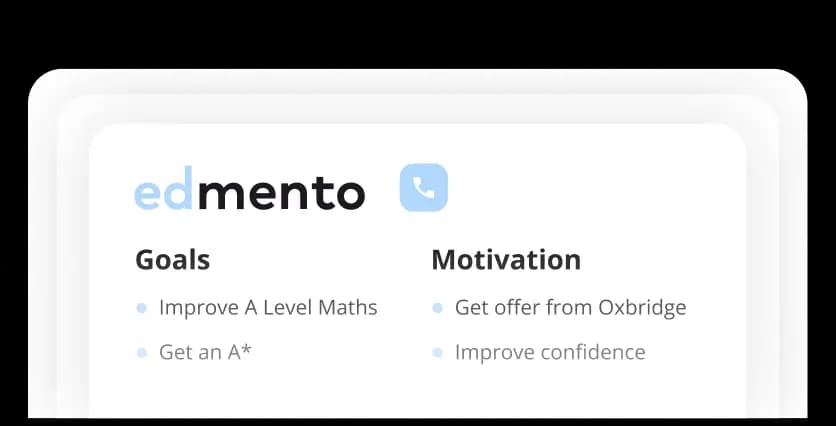
We match by subject, level, exam board, your child's needs and how they learn. Try a lesson before committing.
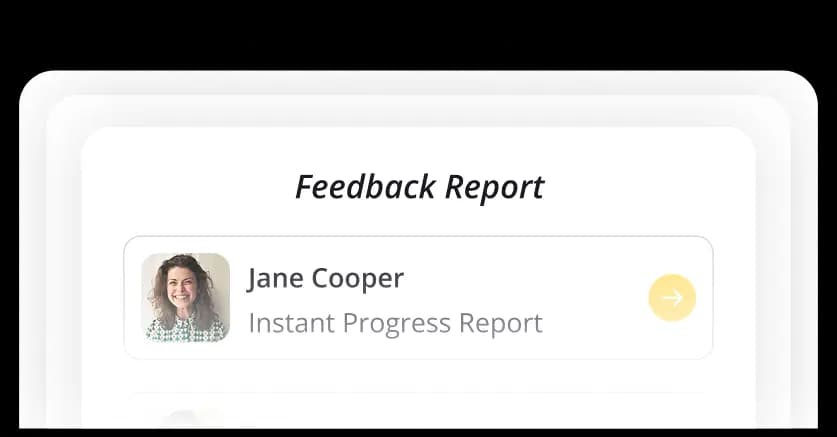
The tutor pinpoints where answers break down, from algorithms to theory, then fixes the biggest gaps first, with updates for you.
The goal isn't simply to finish the A-Level Computer Science course.
It's to prepare your child for the grade they're capable of achieving.
Grades E–D
This is where the plan matters most. We secure programming fundamentals and core theory, close the biggest gaps and build steadily towards a secure C.
Grades C–B
We strengthen algorithm writing, tracing and precise theory answers, so marks stop slipping away.
Grades A–A*
We raise the challenge. Harder algorithms. Unfamiliar scenarios. Deeper explanations. Less hand-holding.
Tell Edmento where things stand and we'll take it from there. Free. No packages to buy. No pressure.
Schools do a lot well, but a teacher has to help a whole room of programmers at once. A tutor only has to teach your child. A Computer Science tutor can watch exactly where an algorithm or a trace goes wrong, whether it's the logic, the syntax or a slip, and correct it on the spot.
Slow down on the shaky topics, move on from what's secure.
The questions they'd never ask in class get asked.
Not on what the rest of the class needs that week.
Before a logic error becomes a habit.
Whether the practice got done, and whether it stuck.
The tutor sees exactly where the logic goes off track.
At Edmento, lessons start from £15 an hour. Across the UK, the cost of an A-Level Computer Science tutor depends on the tutor's experience, how much exam preparation is involved and what support comes with the lessons.
1-to-1 lessons cost more than group tuition, but every minute goes on your child's gaps. You won't be asked to buy a large block of lessons before you know the tutor is right: start with the free consultation and a trial.
Fresh. Fierce. Focused.
£15–25
/hour
Yes. Online A-Level Computer Science tutoring can be as effective as face-to-face when lessons are interactive. Tutor and student code together in a shared editor, trace algorithms on a whiteboard and work through past papers on screen.
At Edmento, lessons start from £15 an hour. Across the UK, A-Level Computer Science tutoring costs vary with the tutor's experience, the level and how much exam preparation and support is included. We start with a free consultation and a trial lesson, with no large upfront package, so you can judge the value before committing.
It usually is when lessons target the specific reasons your child is losing marks. General revision rarely moves a grade on its own; a tutor who diagnoses gaps, sets focused practice and gives feedback on your child's own work can. The trial lesson lets you judge before committing.
Early in Year 12 is ideal, because the step up from GCSE catches many students out and gaps compound quickly. Starting in Year 13 still helps, particularly with exam technique, full past papers and the high-mark questions that decide top grades.
Once a week suits most A-Level students. Some move to twice a week before mocks or the summer exams, or while catching up on a difficult topic. We'll suggest a frequency based on your child's target grade and plans after school.
It can, though no honest tutor guarantees a result. Progress comes from fixing the specific gaps and technique problems that cost marks, practising regularly and getting feedback. We track progress and share updates, so you can see whether it's working.
By practising on paper regularly: planning logic before writing, using clear pseudocode and checking with a trace table. A tutor sets progressively harder problems and gives feedback on structure and efficiency.
By working methodically: one row per step, tracking every variable and output. Regular short practice makes tracing reliable and quick.
Whichever their school uses, often Python. Our tutors work in your child's school language so lessons match their coursework and exam style.
By learning precise definitions and testing themselves regularly, then practising exam questions. Understanding how components connect makes the theory easier to remember.
It depends on the level and board. At A-Level there's a programming project (NEA) that must be your child's own work. At GCSE, programming skills are assessed in the exams.
Yes. We ask about your child's exam board during the free assessment and match them with a tutor who knows that specification, its papers and its mark schemes. Not every tutor teaches every board, which is why we match rather than assign.
Lessons happen live, 1-to-1, over video. Tutor and student code together in a shared editor, trace algorithms on a whiteboard and work through past papers on screen. Your child needs a laptop or tablet and a quiet space; many families find it easier than travelling to lessons.
We match on subject, level, exam board, your child's needs and their personality. After the free assessment we suggest a tutor, and your child has a trial lesson so you can both judge the fit before committing.
Yes. You can receive lesson feedback and progress updates, and your Student Success Manager is available whenever you have a question or concern.
Tell your Student Success Manager and we'll find a better match. It happens occasionally, and it's easy to fix.