

Grades E–D
Starting from an E or D?
This is where the plan matters most. We secure the core legal rules and key cases, close the biggest gaps and build steadily towards a secure C.
Your child doesn't need another tutor working through random topics. They need a clear, personalised route to their target A-Level Law grade, built around their level, gaps and exam board.
A-Level Law
It's the most common thing parents tell us, and it's almost never about effort. Usually, it's one of these
Most students meet Law for the first time at A-Level, and it shows.
The facts are memorised, but never linked to the scenario.
The issue, the rule and the conclusion get muddled together.
A list of criticisms, but no justified conclusion.
The right authority, cited in the wrong way or the wrong place.
The long essay gets the last ten minutes it doesn't deserve.
More tutoring hours won't solve the problem if you're working on the wrong things. That's why we start by finding out exactly what's holding your child back.
The tutor won't be sitting beside your child on exam day.
So our job isn't to make Law feel easy while the tutor is there. It's to help your child reach the point where they can:
Issue, rule, application and conclusion, every time, in that order.
Linking each case and statute directly to the facts in the scenario.
Citing the key cases and statutes precisely, without over-describing them.
Weighing the law against fairness, certainty and reform, then reaching a judgement.
Planning long answers so the highest-mark questions get the time they need.
No random tutoring. No guessing. Just a clear plan.
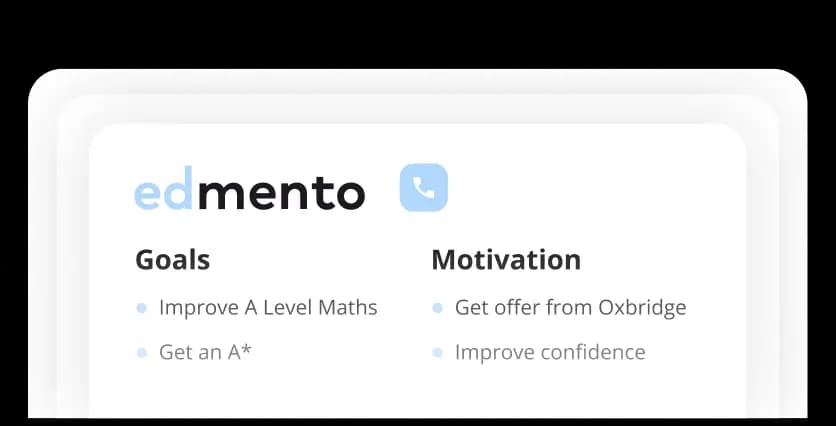
A free call about current performance, targets, school feedback and exam board. No sales script.
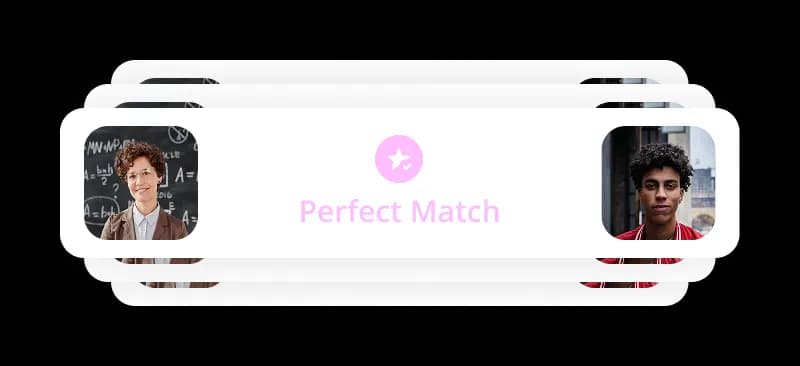
We match by subject, level, exam board, your child's needs and how they learn. Try a lesson before committing.
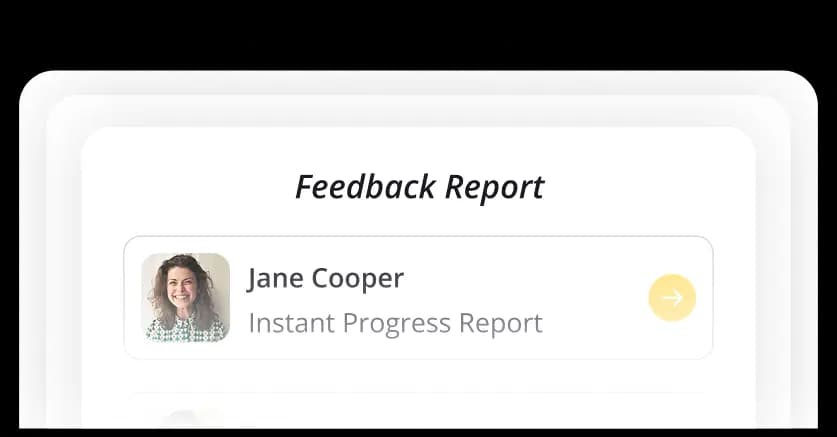
The tutor pinpoints where answers lose marks, from application to evaluation, then fixes the biggest gaps first, with updates for you.
The goal isn't simply to finish the A-Level Law course.
It's to prepare your child for the grade they're capable of achieving.
Grades E–D
This is where the plan matters most. We secure the core legal rules and key cases, close the biggest gaps and build steadily towards a secure C.
Grades C–B
We strengthen application to scenarios and build the answer structure the mark scheme rewards.
Grades A–A*
We raise the challenge. Unfamiliar scenarios. Sharper evaluation. Confident, justified conclusions. Less hand-holding.
Tell Edmento where things stand and we'll take it from there. Free. No packages to buy. No pressure.
Schools do a lot well, but a teacher has to mark answers for the whole class. A tutor only has to teach your child. A Law tutor can read your child's answer as it's written, show exactly where the application is missing or the conclusion drifts, and fix it on the spot.
More time on the topics that don't click, less on what's secure.
The questions they'd never ask in class get asked.
Not on what the rest of the class needs that week.
Not weeks later, when the answer is already forgotten.
Whether the practice question got done, and whether it improved.
The tutor sees exactly where an argument goes off track.
At Edmento, lessons start from £15 an hour. Across the UK, the cost of an A-Level Law tutor depends on the tutor's experience, how much exam preparation is involved and what support comes with the lessons.
1-to-1 lessons cost more than group tuition, but every minute goes on your child's gaps. You won't be asked to buy a large block of lessons before you know the tutor is right: start with the free consultation and a trial.
Fresh. Fierce. Focused.
£15–25
/hour
Yes. Online A-Level Law tutoring can be as effective as face-to-face when lessons are interactive. Your child's answers go into a shared document the tutor annotates live, and problem scenarios and cases are worked through together on screen.
At Edmento, lessons start from £15 an hour. Across the UK, A-Level Law tutoring costs vary with the tutor's experience, the level and how much exam preparation and support is included. We start with a free consultation and a trial lesson, with no large upfront package, so you can judge the value before committing.
It usually is when lessons target the specific reasons your child is losing marks. General revision rarely moves a grade on its own; a tutor who diagnoses gaps, sets focused practice and gives feedback on your child's own answers can. The trial lesson lets you judge before committing.
Early in Year 12 is ideal. Most students meet Law for the first time at A-Level, and the way it's examined, applying legal rules to scenarios, is new to them. Starting in Year 13 still helps, particularly with exam technique, full past papers and the high-mark questions that decide top grades.
Once a week suits most A-Level students. Some move to twice a week before mocks or the summer exams, or while catching up on a difficult topic. We'll suggest a frequency based on your child's target grade and plans after school.
It can, though no honest tutor guarantees a result. Progress comes from fixing the specific gaps and technique problems that cost marks, practising regularly and getting feedback. We track progress and share updates, so you can see whether it's working.
By working through it in order: identify the legal issue, state the relevant rule, support it with a case or statute, apply it to the facts in the scenario, then reach a conclusion. Most lost marks come from skipping the application step. A tutor practises this structure on real questions until it's automatic.
Fewer than many students think, but they need to know them well: the key facts, the legal principle and how it applies. A smaller set of cases used accurately scores better than a long list cited vaguely.
By weighing the strengths and weaknesses of the law against clear criteria, such as fairness, certainty and consistency, and supporting each point with a case or reform proposal. Evaluation should build to a justified conclusion, not stop at a list of criticisms.
Usually because the cases are described rather than applied to the scenario, or the answer doesn't reach a conclusion. These are technique problems that improve quickly with targeted feedback.
Yes. We ask about your child's exam board during the free consultation and match them with a tutor who knows that specification, its papers and its mark schemes. Not every tutor teaches every board, which is why we match rather than assign.
Lessons happen live, 1-to-1, over video. Your child's answers go into a shared document the tutor annotates live, and problem scenarios and cases are worked through together on screen. Your child needs a laptop or tablet and a quiet space; many families find it easier than travelling to lessons.
We match on subject, level, exam board, your child's needs and their personality. After the free consultation we suggest a tutor, and your child has a trial lesson so you can both judge the fit before committing.
Yes. You can receive lesson feedback and progress updates, and your Student Success Manager is available whenever you have a question or concern.
Tell your Student Success Manager and we'll find a better match. It happens occasionally, and it's easy to fix.